


Can Plants and Animals adapt to Climate Change?
- greenplanetproject2
- Jul 25, 2022
- 2 min read
Author: Lily Kirby
Climate Change
Due to the current rising temperatures and shifting weather patterns, primarily caused by humans, a question remains unanswered. Will animals and plants be able to adapt to these changes? It is well-known that animals and plants have adapted previously, developing key traits to increase their chances of survival. Over the last 6000 years, the climate has remained stable. However, the burning of fossil fuels since the beginning of the Industrial Revolution has disrupted the fragile stability.
A New Era: The 6th Extinction
This extremity has led us to an era of the "6th extinction", also known as the Anthropocene Extinction. Global warming, overfishing, invasion of animal habitats, the introduction of invasive species, and ocean acidification have all contributed to this phenomenon. When compared with the issues previously stated, climate change remains the most pressing issue. As the Earth continues to change progressively, animals have less and less time to adapt to these changes. If we do not make a significant change soon, approximately 30-50% of all species could be extinct by the end of this century.

A species that is prone to extinction due to climate change are koalas. The primary food source for koalas is eucalyptus leaves, which come from eucalyptus trees. However, with the sky-high amounts of carbon dioxide in the atmosphere, the trees are taking in too much carbon dioxide, making their leaves toxic to koalas. This newfound lack of food will eventually lead to the extinction of koalas.
More CO2, More Plants? NO!
We can conclude that climate change will have a devastating effect on the world’s animal species, but what about plants?
There is a fast-spreading myth that the excess carbon dioxide in the atmosphere is a advantageous for plants. Warmer climates and more carbon dioxide indeed lead to plants developing quicker. However, while plants mature faster, less plant matter is created. This creates a need for more crops to produce an equivalent yield. While there are a few benefits to the excess carbon dioxide, a change in drought risk or a large enough temperature increase will eliminate them. Experiments have shown that when you compare crop and weed growth rates with warm temperatures and excess carbon dioxide, weeds grow up to 3x faster than crops.
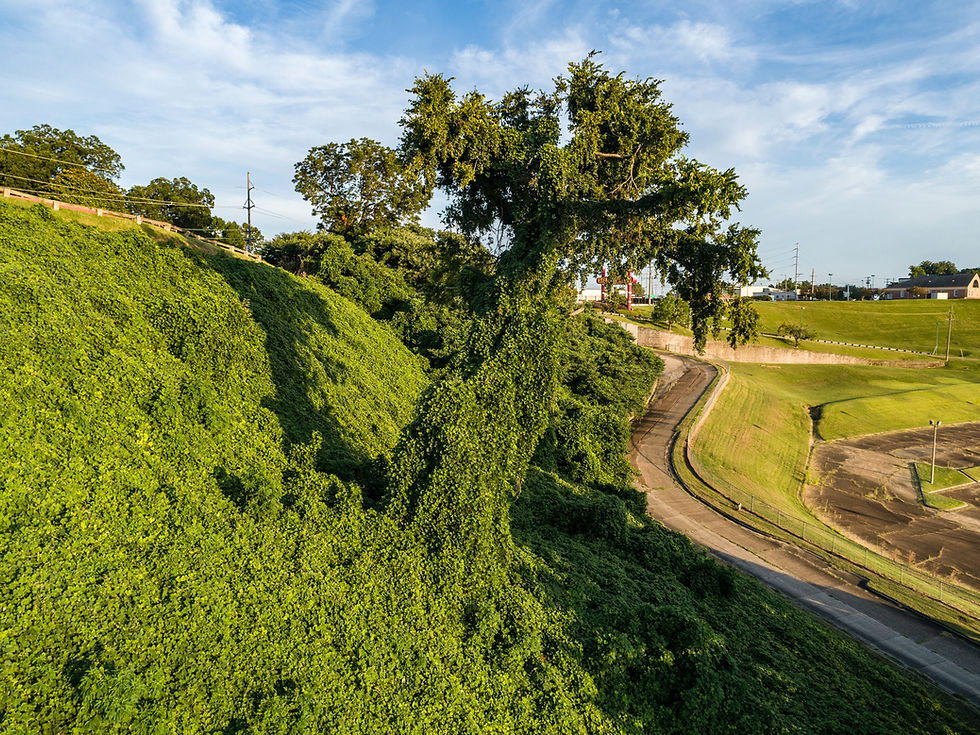
One plant species that has benefitted from the warm temperatures and carbon dioxide rates is the weed Kudzu. It was first introduced to the United States in the early 1900s to limit soil erosion. However, it has quickly spread throughout the country, completely enveloping houses and infrastructures. Kudzu growth is limited by cold weather, but with record-high temperatures, it has even managed to stretch up to Canada.
In conclusion, animals and plants may be able to adapt to some climate change, but not at the rapid pace climate change is excelling at today. Climate change is the most urgent environmental issue we have today, and if it isn’t recognized as an emergency soon, it may be too late.
Source:
Performance by Katharine Hayhoe, Plants and Animals Can Adapt to Climate Change, Right?, PBS Digital Studios, 11 Oct. 2017, https://www.youtube.com/watch?v=CLtFwUTrE4E. Accessed 16 June 2022.


Comments